



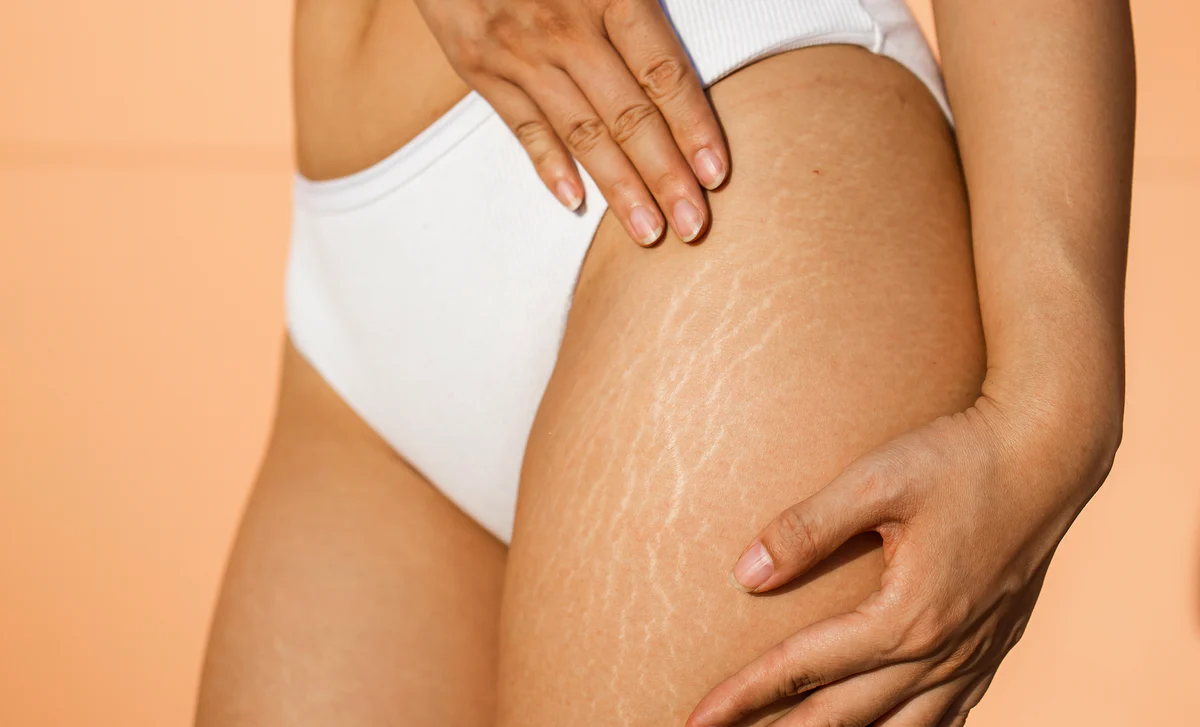
Stretch marks, those lines that suddenly appear on our skin, often leave us puzzled about their origin and how to manage them. This post delves into the science behind stretch marks, shedding light on why they occur and what factors contribute to their development. We will explore various methods to address stretch marks, from prevention techniques to treatment options available today. Whether you’re seeking ways to prevent stretch marks or looking for effective treatments, this guide aims to provide valuable insights and practical advice.
Understanding Stretch Marks and Their Formation
Rapid Change
Stretch marks are a common skin issue. They happen when our skin stretches or shrinks quickly. This rapid change is tough on the skin.
The main cause of stretch marks is this quick stretching or shrinking. It can happen during puberty, pregnancy, or weight changes. These times in life often see fast growth or loss that the skin can’t keep up with.
Collagen Breakdown
Collagen and elastin give our skin strength and elasticity. When stretched too quickly, they can break. This breakdown leads to scars we know as stretch marks.
After the damage, the body tries to heal itself. During healing, stretch marks form as a kind of scar where collagen was damaged. Over time, they may fade but don’t always disappear completely.
Healing Process
As stretch marks heal, their appearance changes.
-
At first, they might look red or purple.
-
Over time, they usually fade to a lighter color than your natural skin tone.
Healing varies from person to person because everyone’s body reacts differently to injury and repair processes.
Causes and Risk Factors of Stretch Marks
Common Triggers
Pregnancy, rapid weight gain or loss, and puberty are key moments in life when stretch marks often appear. During these times, the body undergoes significant changes. For example, a pregnant woman’s skin stretches to accommodate a growing baby. Similarly, during puberty, rapid growth can strain the skin.
People who gain or lose weight quickly might see stretch marks too. The skin stretches or shrinks rapidly, which can lead to these visible lines.
Genetic Role
A genetic predisposition greatly influences one’s risk of developing stretch marks. If your parents have them, you’re more likely to get them as well. This is because certain genes affect skin elasticity.
Knowing your family history can give you insight into your susceptibility to stretch marks.
Corticosteroid Impact
Using corticosteroids for a long time can weaken the skin’s ability to stretch properly. These medications decrease collagen in the skin. Collagen is crucial for maintaining its strength and elasticity.
This decreased ability means that even slight stretching of the skin could result in stretch marks for those using corticosteroids extensively.
Symptoms and Diagnosis of Stretch Marks
Initial Appearance
Stretch marks often start as colorful streaks on the skin. They might appear reddish, purple, pink, blue, or black. This color variation depends on your skin tone and where the stretch marks are forming.
These early signs can show up anywhere but are common on the abdomen due to swelling or rapid changes in size. Recognizing these colors early helps in understanding how stretch marks develop over time.
Texture Variations
The texture of stretch marks can also provide clues about their stage. Some areas may feel ridged, indicating newer growths. Others could be softer and signify older stretches that have settled.
This difference in texture is a key indicator for diagnosing stretch marks without needing any invasive tests. Simply feeling the area can tell you a lot about whether what you’re dealing with is indeed a stretch mark or something else.
Visual Diagnosis
Diagnosis of stretch marks usually requires just a visual inspection by a healthcare provider. No complex procedures are necessary because these markings have distinct characteristics that set them apart from other types of skin conditions.
Doctors look for the specific colors and textures associated with stretch marks to make an accurate diagnosis. Since there’s no need for invasive tests, identifying these signs early makes managing potential side effects easier.
Preventing Stretch Marks Through Lifestyle Changes
Healthy Weight
Maintaining a healthy weight is crucial in minimizing skin stretching. Rapid weight gain or loss can strain the skin. This leads to the formation of stretch marks. Eating balanced meals and monitoring portion sizes helps control weight.
A steady weight keeps your skin from being overstretched. It reduces the risk of developing new lines on your body.
Hydration Levels
Keeping hydrated plays a key role in keeping your skin supple. Drink plenty of water every day. Experts recommend about 8 glasses, but needs vary by individual.
Hydrated skin is less prone to tearing when stretched. This makes it more resilient against stretch marks.
Regular Exercise
Exercise improves circulation and boosts overall health. It also enhances skin elasticity, making it stronger against tears that lead to stretch marks.
Activities like yoga, swimming, or even walking can make a difference. Aim for at least 30 minutes most days of the week.
-
Benefits:
-
Improved blood flow
-
Increased strength and flexibility
-
Better stress management
-
Regular exercise not only benefits your physical health but also aids in maintaining an ideal weight and healthy skin condition.
Treatment Options for Stretch Marks
Topical Treatments
Topical treatments, such as retinoid creams, are popular. They can improve the appearance of stretch marks. However, they cannot erase these marks completely.
Retinoid creams work by promoting skin renewal. This helps to fade stretch marks over time. It is important to note that pregnant or nursing mothers should avoid retinoids.
Laser Therapy
Laser therapy is another effective option. It stimulates collagen and elastin production in the skin. These proteins help reduce the visibility of stretch marks.
There are different types of laser treatments available. Each targets specific layers of skin stretching and damage. Patients may need multiple sessions for best results.
Microdermabrasion
Microdermabrasion exfoliates the top layer of skin. This encourages new growth underneath stretch marks.
The process involves a device that sprays fine crystals onto the skin. Then it vacuums them up along with dead skin cells. This treatment makes stretch marks less noticeable by revealing healthier, more elastic skin below.
Home Remedies and Topical Treatments
Aloe Vera
Aloe vera is known for its soothing properties. It may help heal minor skin tears. Applying aloe vera gel to stretch marks can moisturize the area. This could lead to mild improvement in their appearance.
People often use aloe vera directly from the plant. They apply it on their skin twice daily. Some notice their skin feels softer after regular use.
Hyaluronic Acid
Hyaluronic acid boosts skin elasticity. This makes the skin less prone to tearing and developing new stretch marks. Creams containing hyaluronic acid can be applied daily.
Studies suggest consistent use of hyaluronic acid reduces the risk of future stretch marks. Users should look for products with this ingredient for best results.
Coconut Oil
Coconut oil is a popular moisturizer but lacks solid evidence in reducing stretch marks specifically. Despite this, many people find it useful for hydrating the skin. There’s no harm in trying coconut oil as part of your skincare routine. However, expecting significant changes in stretch mark appearance might lead to disappointment.
Seeking Professional Dermatological Help
Personalized Plans
Dermatologists understand skin. They can create treatment plans tailored to you. This approach is based on your skin type and the severity of your stretch marks.
First, a health care provider assesses your skin. Then, they consider factors like rapid growth or changes in body size that may have caused the marks. These could appear anywhere, even on areas like the buttocks or tanner parts of the body. After assessment, dermatologists suggest specific treatments.

Prescription Strength
Over-the-counter options often fall short for many people. In contrast, prescription-strength creams and gels offer more power against stretch marks.
Researchers back up these products with studies showing their effectiveness. However, it’s crucial to follow a health care provider’s guidance when using them due to their potency.
In-Office Procedures
For deeper marks, in-office procedures show promise.
Microneedling is one such option gaining attention from researchers for its results on purplish stretch marks especially. By creating tiny punctures in the skin, this procedure encourages natural healing processes that can diminish the appearance of stretch marks over time.
Other procedures might include laser therapy or chemical peels which also target deeper layers of skin than topical treatments can reach.
Managing Expectations and Long-Term Care
Realistic Outcomes
Understanding that most treatments reduce but do not completely remove stretch marks is vital. This perspective sets a realistic expectation for individuals seeking to improve their skin’s appearance. For example, laser therapy can fade the color of stretch marks, making them less noticeable.
Maintaining this improvement requires a commitment to consistent skincare routines. It includes moisturizing daily and applying topical treatments recommended by healthcare professionals.
Sun Protection
One crucial step in caring for skin with stretch marks involves sun protection. UV exposure can darken these scars, making them more visible against your natural skin tone.
Using a broad-spectrum sunscreen with at least SPF 30 is essential when going outdoors, even on cloudy days. Wearing protective clothing can also shield your skin from harmful rays, further preventing darkening.
Consistent Skincare
A diligent skincare routine plays a critical role in managing stretch marks over time. Regular exfoliation helps remove dead skin cells, allowing new cells to surface and potentially reducing the visibility of stretch marks.
Moisturizing keeps the skin supple and may improve its elasticity, which could prevent future stretching and marking. Products containing hyaluronic acid or vitamin E are often recommended due to their hydrating properties.
Closing Thoughts
Understanding, preventing, and treating stretch marks require a comprehensive approach that encompasses knowledge of their formation, causes, and available remedies. Individuals seeking to manage their appearance should consider lifestyle adjustments, explore various treatment options, and consult dermatological professionals for personalized advice. It’s crucial for them to set realistic expectations about the outcomes of these interventions and to approach stretch mark management with patience and persistence.
The journey towards mitigating the visibility of stretch marks or embracing them as part of one’s story is deeply personal. It underscores the importance of informed decision-making and self-care practices. For those looking to learn more about stretch mark management or seeking professional guidance, reaching out to a dermatologist is a recommended next step. They offer tailored solutions that align with individual needs and circumstances, providing support throughout the process of addressing stretch marks.
Frequently Asked Questions
What causes stretch marks to form?
Stretch marks, or striae, are caused by rapid stretching of the skin due to growth spurts, weight gain, pregnancy, or muscle building. Hormonal changes and genetic predisposition can also play a role in their development.
How can I diagnose stretch marks?
Stretch marks are diagnosed based on appearance alone. They typically present as bands of parallel lines on your skin that vary in color and texture from your normal skin tone.
Are there effective ways to prevent stretch marks?
Preventing stretch marks involves maintaining a healthy weight, staying hydrated, eating a nutrient-rich diet, and applying moisturizers to keep the skin supple. However, genetics also plays a significant role in their formation.
What are some common treatments for reducing the appearance of stretch marks?
Common treatments include topical retinoids for newer scars, laser therapy for older ones; microdermabrasion; and microneedling. Each method varies in effectiveness depending on the age and severity of the stretch marks.
Can home remedies be effective against stretch marks?
Home remedies like sugar scrubs for exfoliation or essential oils may offer mild improvement by hydrating the skin but they’re less likely to produce significant changes compared with professional treatments.
When should I seek help from a dermatologist for my stretch marks?
Seeking professional help is advisable when over-the-counter treatments fail to improve their appearance or if they cause distress. A dermatologist can provide personalized treatment options including prescription medications and advanced therapies like laser treatment.
Is it realistic to expect complete removal of stretch marks with treatment?
While many treatments can significantly reduce their visibility, completely removing them might not be achievable. Managing expectations is crucial; focus should be on improvement rather than total eradication.
