 Directions
 Call Us
 Email Us


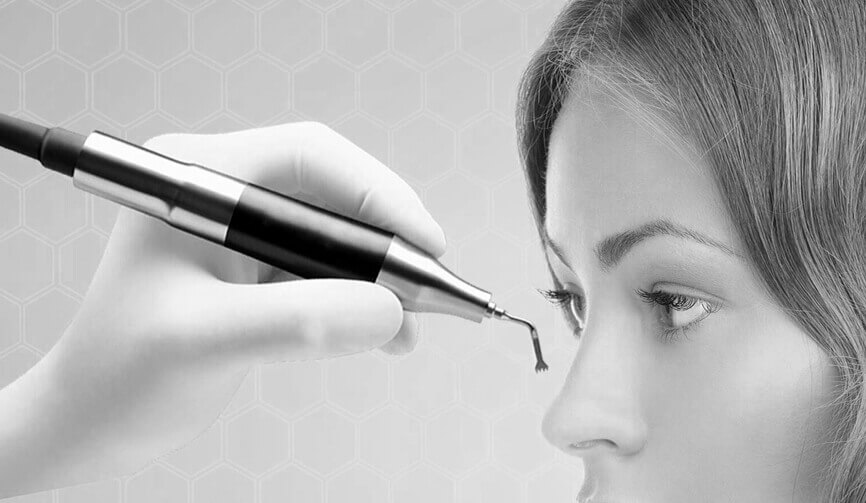
Ultrasonic rhinoplasty represents a significant advancement in the field of cosmetic surgery, offering a less invasive alternative for those seeking to alter the shape of their nose. This technique utilizes ultrasonic energy to precisely sculpt nasal bones, minimizing trauma and potentially reducing recovery time. As interest in aesthetic enhancements grows, understanding the benefits and limitations of ultrasonic rhinoplasty is essential for individuals considering this procedure. With its promise of precision and reduced downtime, it’s becoming a preferred choice for many looking to achieve their desired facial symmetry without extensive surgery.
Understanding Ultrasonic Rhinoplasty Technology
Precise Reshaping
Ultrasonic rhinoplasty uses ultrasonic energy. This advanced technique reshapes nasal bones with high precision. It targets the bone directly, leaving other areas untouched.
This method allows surgeons to make exact changes. They can adjust the nose’s shape without harming nearby tissues. The precision reduces chances of errors during surgery.
Minimized Trauma
Traditional methods often cause more trauma. They can harm soft tissues around the nose. Ultrasonic rhinoplasty is different because it focuses on bones only.
Less trauma means quicker recovery for patients. There’s also less swelling and bruising after surgery. Patients usually feel more comfortable throughout their healing process.
Detailed Sculpting
Ultrasonic technology enables detailed sculpting of the nasal profile. Surgeons can smooth out bumps and refine the nose’s shape with great detail.
This level of control makes ultrasonic rhinoplasty a popular choice.
-
Patients get a natural-looking finish.
-
Surgeons enjoy greater flexibility in shaping the nose.
Benefits of Ultrasonic Rhinoplasty Procedure
Reduced Swelling
Ultrasonic rhinoplasty leads to less bruising and swelling after surgery. This is a significant advantage for patients. Traditional methods often result in more visible bruising and longer healing times.
Patients appreciate the minimal post-operative discomfort. They can return to their daily activities sooner than with conventional surgery.
Enhanced Precision
This procedure allows surgeons to reshape bones with remarkable accuracy. The ultrasonic tool targets only the bone, leaving soft tissues unharmed. This precision results in outcomes that are both predictable and aesthetically pleasing.
The ability to finely tune changes means patients see results that closely match their expectations. There’s less guesswork involved, leading to higher satisfaction rates.
Shorter Recovery
One of the most praised benefits is the quicker recovery time associated with ultrasonic rhinoplasty. Patients report feeling back to normal faster than they anticipated.
-
Less downtime
-
Quicker return to work or school
This shorter recovery period not only enhances patient satisfaction but also reduces overall stress related to surgical procedures.
Comparing Ultrasonic and Traditional Rhinoplasty Methods
Recovery Time
Traditional rhinoplasty techniques often require more time for recovery. This is because they involve manual chiseling of the bone. Such an invasive approach leads to more bruising and swelling.
Ultrasonic rhinoplasty, on the other hand, targets only the bone. It preserves soft tissue integrity. As a result, patients usually experience quicker recovery times due to less tissue disruption.
Tissue Preservation
In traditional rhinoplasty methods, the broad use of manual tools can affect both bones and surrounding soft tissues. This often results in increased trauma to these areas.
The ultrasonic technique makes a significant difference here. By focusing energy precisely on the bone without affecting soft tissues, it ensures better preservation of nasal structure integrity.
Pros and Cons
There are clear differences between these two approaches:
-
Traditional Rhinoplasty:
-
More bruising
-
Longer recovery time
-
Greater risk of affecting soft tissues
-
Ultrasonic Rhinoplasty:
-
Quicker recovery
-
Less bruising
-
Precise targeting reduces risks to surrounding tissues
Understanding these distinctions helps patients make informed decisions about their choice of procedure based on their needs and expectations.
Ideal Candidates for Ultrasonic Rhinoplasty
Nasal Bone Deformities
Individuals desiring to correct nasal bone deformities often turn to ultrasonic rhinoplasty. This method is precise in targeting the nose shape without harming surrounding tissues. It uses high frequency to meticulously adjust the bone, ideal for those with a deviated septum or uneven nose structure.
Patients benefit from this technique as it reduces the risk of unwanted fracture lines. The accuracy allows for a smoother recovery and less visible scarring. This makes ultrasonic rhinoplasty a preferred choice for subtle yet significant changes in facial features.

Minimal Downtime
For patients prioritizing quick return to normal activities, ultrasonic rhinoplasty offers minimal downtime. The gentle approach minimizes swelling and bruising compared to traditional methods. Patients report feeling comfortable resuming their routine within days.
This method’s reduced post-operative discomfort is due to its precision and how it preserves blood vessels and soft tissues. Thus, individuals can achieve their goals without extensive recovery periods.
Not Suitable For All
However, not everyone is an ideal candidate for ultrasonic rhinoplasty.
-
People requiring major soft tissue modification might need alternative solutions.
-
Candidates must have realistic expectations about what this surgery can accomplish.
It’s crucial for potential patients to consult with specialists who understand both their desires and the limitations of ultrasonic technology.
The Procedure Details of Ultrasonic Rhinoplasty
Anesthesia Choice
Ultrasonic rhinoplasty is a surgical procedure. It requires anesthesia. Doctors choose between general anesthesia and sedation. This choice depends on the surgery’s complexity.
General anesthesia is common for extensive corrections. Sedation might be used for minor adjustments. Both options aim to ensure comfort and safety during the procedure.
Surgical Technique
This rhinoplasty uses specialized instruments. These instruments deliver ultrasonic energy precisely where needed. The goal is to reshape the nose with minimal disruption.
The technique involves making an incision, though it’s typically less invasive than traditional methods. Through this incision, surgeons use ultrasonic tools to sculpt the nasal structure carefully.
Procedure Time
The time it takes varies significantly from one patient to another.
-
For simple corrections, it may take about one hour.
-
More complex cases can require up to three hours.
Factors influencing procedure time include:
-
The extent of correction needed.
-
The specific goals of the patient.
-
Any complications that arise during surgery.
Recovery Process and Timeline after Ultrasonic Rhinoplasty
Initial Week
The recovery time begins immediately after the procedure. Patients often experience swelling and discomfort. However, these symptoms decrease significantly within the first week.
Following postoperative instructions is crucial during this period. These guidelines help manage pain and reduce swelling. It’s important for a smooth healing process.
Returning to Activities
By the second week, most patients feel better. They can return to their normal activities, except for strenuous exercise.
Strenuous activities should be avoided for at least a month. This precaution helps prevent complications and ensures proper healing.
Healing Period
The complete healing process takes time. Final results are usually visible around one year post-surgery.
During this period, it’s essential to follow all medical advice closely. Regular check-ups with your surgeon will monitor progress and address any concerns.
Risks and Complications of Ultrasonic Rhinoplasty
Minor Asymmetry
After ultrasonic rhinoplasty, patients might notice minor asymmetry. This usually happens as the nose adjusts post-surgery. The swelling goes down unevenly at times. But, it often corrects itself over time.
In some cases, a touch-up procedure may be needed. It’s rare but part of ensuring the best outcome.
Sensory Changes
A few patients experience sensory changes in their nasal tip area. This could manifest as numbness or heightened sensitivity. These sensations typically improve within months.
However, if they persist, consulting with your surgeon is crucial for management strategies.
Infection Risk
Infections are a risk with any surgery, including ultrasonic rhinoplasty. Symptoms include redness, pain, and unusual discharge from the surgical site.
Proper care significantly reduces this risk. If an infection occurs, antibiotics are usually effective in treating it.
Pros:
-
Less invasive than traditional methods
-
Precise adjustments reduce potential complications
-
Swelling and bruising are minimized
Cons:
-
Possibility of minor asymmetry
-
Rare sensory changes in the nasal tip
-
Infection risks exist but can be managed
Ultrasonic rhinoplasty offers many benefits over traditional techniques. Yet, like all surgeries, it carries risks and potential complications such as asymmetry, sensory changes in the nasal tip area ,and infections . Understanding these helps manage expectations and prepare for recovery properly.
Choosing the Right Surgeon for Ultrasonic Rhinoplasty
Board Certification
Choosing a surgeon with board certification in plastic surgery is crucial. This ensures they have specific training. Look for experience in ultrasonic techniques too.
Board-certified surgeons know how to use advanced instruments. They understand how to minimize tissue damage and reduce pain after surgery. Their expertise leads to less swelling and quicker recovery times.
Previous Work
Reviewing before-and-after photos of past patients helps assess a surgeon’s skill level. It gives insights into their ability to reshape noses beautifully.
Photos show the quality of work and possible outcomes for your nose surgery. They help you make an informed decision based on visual evidence.
Communication Skills
Clear communication during consultation is key. The surgeon should understand your aesthetic goals well.
They need to explain the procedure, including anesthesia options and what changes are possible through reshaping your nose. Good communication ensures that you’re on the same page regarding expectations and results.
Closing Thoughts
Ultrasonic rhinoplasty represents a significant advancement in cosmetic surgery, offering benefits such as precision, reduced trauma, and faster recovery times compared to traditional methods. This procedure caters to individuals seeking aesthetic or functional improvements in their nasal structure, emphasizing the importance of selecting a qualified surgeon for optimal outcomes. The technology behind ultrasonic rhinoplasty, coupled with its procedural details, highlights a tailored approach to patient care, ensuring each case is handled with the utmost specificity and attention to individual needs.
For those considering this innovative surgical technique, it’s crucial to weigh the advantages against potential risks and complications. Engaging in thorough discussions with expert surgeons can provide clarity and confidence in the decision-making process. As the field of cosmetic surgery continues to evolve, ultrasonic rhinoplasty stands out as a forward-thinking option for achieving desired nasal aesthetics and functionality. If you’re contemplating this procedure, take the next step by consulting with a specialist to explore how ultrasonic rhinoplasty can meet your personal goals.
Frequently Asked Questions
What is ultrasonic rhinoplasty?
Ultrasonic rhinoplasty uses ultrasound energy to precisely reshape the nasal bones, offering a less invasive alternative to traditional methods. It allows for more accuracy and reduced trauma to surrounding tissues.
How does ultrasonic rhinoplasty differ from traditional rhinoplasty?
Unlike traditional methods that use manual tools for bone reshaping, ultrasonic rhinoplasty employs ultrasound technology for finer precision and minimal tissue damage, resulting in less bruising and swelling.
Who is an ideal candidate for ultrasonic rhinoplasty?
Ideal candidates are individuals seeking nose reshaping or correction with realistic expectations, good overall health, and without severe nasal deformities that might require extensive structural alterations.
What can I expect during the ultrasonic rhinoplasty procedure?
The procedure involves using a specialized device emitting ultrasound waves to sculpt the nasal bones accurately. It’s typically performed under general anesthesia, focusing on precision and minimizing soft tissue disruption.
What is the recovery process like after ultrasonic rhinoplasty?
Recovery usually involves less bruising and swelling compared to traditional methods. Most patients can return to normal activities within a week but should avoid strenuous activities for up to six weeks.
Are there risks associated with ultrasonic rhinoplasty?
While generally safer due to its precision, potential risks include infection, bleeding, or dissatisfaction with aesthetic outcomes. Choosing an experienced surgeon can significantly mitigate these risks.
How do I choose the right surgeon for my ultrasonic rhinoplasty?
Selecting a board-certified plastic surgeon with specific experience in ultrasonic techniques is crucial. Research their credentials, review before-and-after photos of previous surgeries they’ve performed, and discuss your expectations thoroughly during consultations.
