




Liposuction, a plastic surgery procedure, can transform your body, but proper aftercare is crucial for the best results and to avoid permanent scarring. Many people focus solely on the plastic surgery procedure, overlooking what comes next after undergoing liposuction and the surgical incisions involved. Following liposuction aftercare instructions, including managing surgical incisions and taking medicines, ensures a smooth recovery and helps maintain your new shape, while also utilizing the nurse advice line for any concerns and monitoring test results.
Ignoring these guidelines can lead to complications and dissatisfaction. It’s essential to stay hydrated, wear compression garments, and avoid strenuous activities during recovery, as per nurse advice line recommendations for operative care and potential problems related to test results. Pay attention to any signs of infection or unusual pain during liposuction recovery and contact the nurse advice line for any problems. By prioritizing these steps and utilizing the nurse advice line, you’ll not only enhance your healing process but also enjoy lasting outcomes from your liposuction journey.
What to Expect at Home
Fluid Drainage
Expect fluid drainage from your incisions for several days after liposuction; contact the nurse advice line if you have concerns. This is a normal part of the healing process. The body expels excess fluids that can build up in the treatment area, according to the nurse advice line. Drainage may vary from person to person. Some may notice more fluid than others. It’s important to monitor this and keep the area clean.
If drainage becomes excessive or has an unusual color, contact your doctor. They can provide guidance on whether this is normal or if further action is needed. Keeping a clean environment helps prevent infection.
Bruising and Swelling
Anticipate bruising and swelling for at least 10 to 14 days following the procedure. Bruising occurs as blood vessels break during surgery. Swelling happens as the body responds to trauma from the procedure. These symptoms are common and should gradually improve over time.
Most patients find that swelling peaks around the third day post-surgery. After this peak, you will likely see a reduction in both bruising and swelling daily. Applying cold compresses can help alleviate discomfort during this period. Always consult your doctor before applying any treatments.
Compression Garments
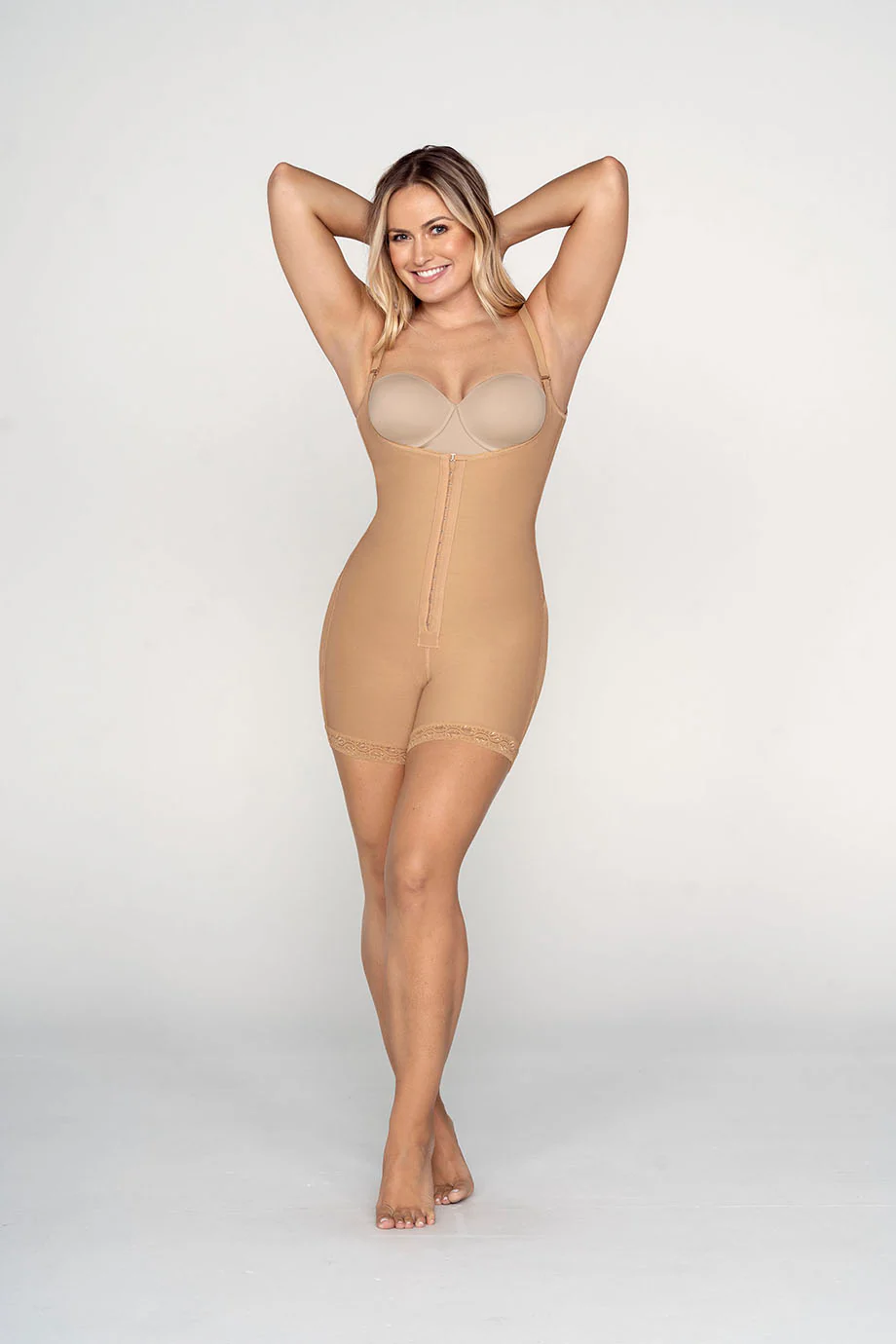
Prepare for wearing compression garments or bandages for 3 to 4 weeks after liposuction. These garments support your healing process by reducing swelling and helping skin conform to new contours. They also minimize movement in the treated areas, which aids recovery.
It’s crucial to wear these garments as instructed by your surgeon. Failing to do so can lead to complications or uneven results. You might feel uncomfortable at first, but many find they adjust quickly.
Test Results
Your doctor may schedule follow-up appointments to check on your progress. During these visits, they will assess your healing and may conduct tests if necessary. Test results will help ensure everything is proceeding as expected. Regular check-ins allow for adjustments in care if needed.
These results can guide you on what to expect next in your recovery journey. Staying informed helps reduce anxiety about the healing process.
Recovery Timeline Overview
Initial Recovery
Recovery begins immediately after the liposuction procedure. Significant rest is crucial during this time. Patients should limit their activities to allow the body to heal properly. Resting helps reduce the risk of complications and promotes healing.
During the first few days, discomfort may occur. Pain medication can help manage any soreness. It’s also important to follow your surgeon’s instructions closely. Wearing compression garments as advised will aid in reducing swelling and support the healing process.
Week One
The first week is often challenging. Bruising and swelling are typically at their peak during this period. Patients should expect these symptoms as part of the normal healing process. Gentle movement is encouraged, but strenuous activities must be avoided.
Hydration plays a key role in recovery. Drinking plenty of fluids helps flush out toxins and supports overall health. Eating a balanced diet rich in vitamins can also aid in healing.
Week Two
By the end of the second week, bruising and swelling start to reduce significantly. Many patients notice a visible improvement in their appearance. This marks a positive step towards successful recovery.
Light activities can be reintroduced if comfortable. Walking short distances can promote circulation without overexerting oneself. However, it’s essential to listen to your body and not push too hard.
Weeks Three to Six
As recovery progresses into weeks three through six, more normal activities can resume. Most patients find they can return to work or regular routines by week three. Full return to all normal activities typically occurs around six weeks post-surgery.
During this time, continuing to wear compression garments remains beneficial. These garments help maintain results and ensure proper contouring as the body heals.
Regular follow-ups with your surgeon are important throughout this period. They will monitor your progress and address any concerns that arise. Staying connected with your medical team ensures a smoother recovery journey.
Initial Recovery Phase (Days 1-3)
Resting Period
Rest is crucial during the first few days after liposuction. Your body needs time to heal from the procedure. Engaging in strenuous activities can hinder your natural healing process. It is best to stay off your feet as much as possible. The more you rest, the better your recovery will be.
During these initial days, focus on simple tasks. Get up only when necessary. This will help reduce discomfort and promote healing. Painful recovery can occur if you push yourself too hard. Listen to your body and take breaks often.
Compression Garments
Wearing compression garments is essential for managing swelling. These garments help reduce residual swelling and support your body’s contours. Follow your doctor’s instructions regarding how long to wear them. Typically, they should be worn continuously for the first few days.
Compression helps minimize fluid retention. It also aids in the proper healing process. If you experience tightness or discomfort, consult with your healthcare provider. Adjustments may be necessary to ensure comfort while still providing support.
Fluid Monitoring
Monitoring fluid drainage is important during the recovery phase. After liposuction, some fluid may drain from the incision sites. This is a normal part of the healing process. Keep an eye on the amount of fluid and any changes in color or odor.
Change bandages as needed to keep the area clean and dry. Proper wound care can prevent infection, which could complicate your recovery. If you notice excessive drainage or signs of infection, contact your doctor immediately.
Managing Pain
Pain management is a key aspect of recovery during these early days. You may experience discomfort that varies in intensity. Over-the-counter pain relievers can help manage this pain effectively. Always follow your doctor’s recommendations regarding medication use.
Staying ahead of your pain can improve your overall comfort level. Take medications as prescribed and do not wait until the pain becomes severe to take action.
Emotional Support
Emotional well-being also plays a role in recovery. Many individuals face anxiety about their post-surgery appearance and progress. Surround yourself with supportive friends or family members who can help ease these concerns.
Consider discussing your feelings with a healthcare professional if anxiety persists. They can provide reassurance and guidance throughout your healing process.
Weeks 1-2 Recovery Phase
Gradual Activities
Light activities are important during the first two weeks of recovery. Start with short walks around the house. This helps improve circulation and reduces the risk of complications.
Walking for about 10-15 minutes daily can be beneficial. Increase the time gradually as you feel comfortable. Avoid strenuous exercises like running or lifting heavy weights. These activities can strain your body and delay healing.
Compression Garments
Wearing compression garments is crucial after liposuction. These garments help support the healing process. They reduce swelling and promote skin retraction.
Wear the compression garment continuously, except when showering. Follow your surgeon’s advice on how long to wear it. Typically, patients should wear it for about four to six weeks post-surgery.
Bruising and Swelling
Patients can expect bruising and swelling during the first two weeks. This is a normal part of liposuction recovery. Most bruising will start to fade by the end of this period.
Swelling may take longer to fully subside. It can last several weeks. Staying hydrated will aid in reducing swelling as well.
Pain Management
Pain levels usually decrease after the first week. Over-the-counter pain medication can help manage discomfort. Always consult with your doctor before taking any new medications.
If pain increases or becomes severe, contact your healthcare provider immediately. They can assess any potential issues that may arise during recovery.
Follow-Up Appointments
Follow-up appointments are essential during this phase. These visits allow your doctor to monitor your healing process. They will check for signs of infection or other complications.
Be sure to attend all scheduled appointments. Your doctor will provide personalized advice based on your recovery progress.
Emotional Well-Being
Emotional health is just as important as physical recovery. Many patients experience mood swings due to hormonal changes or discomfort. Engage in light activities that bring joy, such as reading or watching movies.
Consider talking to friends or family about how you’re feeling. Support from loved ones can significantly enhance emotional well-being during recovery.
Nutrition and Hydration
Eating a balanced diet aids in recovery. Focus on foods rich in vitamins and minerals. Incorporate fruits, vegetables, lean proteins, and whole grains into daily meals.
Staying hydrated is equally important. Drink plenty of water throughout the day to help flush out toxins and reduce swelling.
Weeks 3-5 Recovery Phase
Light Activities
During weeks three to five, patients can start incorporating light work and non-strenuous activities into their routine. Walking is a great option. It promotes circulation and aids in healing. Short walks around the house or neighborhood can help regain strength.
Patients should listen to their bodies. If any activity causes pain or discomfort, it’s best to stop. Gradually increasing daily activities will support recovery without overdoing it.
Doctor Follow-Up
Regular follow-up appointments with the doctor are crucial during this phase. These visits allow for progress checks and adjustments to the aftercare plan. Doctors can assess healing and provide further instructions.
Patients should keep track of any changes in their condition. Noting swelling, bruising, or unusual sensations will help doctors make informed decisions. Open communication with healthcare providers ensures a smoother recovery process.
Avoid Strenuous Activities
Despite feeling better, patients must continue avoiding heavy lifting and intense physical activities. Strenuous workouts can strain the body and lead to complications. This includes activities like running, weightlifting, or any high-impact sports.
Maintaining a light exercise routine is beneficial, but it should not involve excessive strain. Patients should focus on gentle movements and stretches instead. These help maintain flexibility without risking injury.
Hydration and Nutrition
Staying hydrated is essential during recovery. Drinking plenty of water helps flush toxins from the body. Proper hydration supports skin elasticity as well.
Nutrition also plays a significant role in recovery. Eating a balanced diet rich in vitamins and minerals aids healing. Foods high in protein are particularly important for tissue repair. Incorporating fruits and vegetables boosts overall health as well.
Compression Garments
Using compression garments is important during this stage of recovery. These garments reduce swelling and support the healing process. They should be worn as directed by the doctor.
Patients must ensure that the garments fit properly. Ill-fitting garments can cause discomfort or hinder recovery efforts. Checking for signs of irritation or excessive pressure is necessary.
Emotional Support
Emotional well-being matters during recovery too. Patients may feel anxious about their appearance or progress. Seeking support from friends or family can help ease these feelings.
Joining support groups or online forums can provide additional encouragement. Sharing experiences with others who have undergone similar procedures offers comfort and reassurance.
Week 6 and Beyond
Regular Exercise
Returning to regular exercise is a key part of the recovery process. After six weeks, many patients can start light workouts. This includes walking, cycling, or gentle yoga. Always seek your doctor’s approval before resuming any physical activity.
Gradually increase the intensity of your workouts. Listen to your body and avoid pushing too hard. If you feel pain or discomfort, stop and rest. Focus on exercises that do not strain the surgical area.
Compression Garments
Discontinuing compression garments depends on your doctor’s guidance. Some may recommend wearing them longer for best results. Others might suggest stopping after six weeks.
These garments help reduce swelling and support healing. Follow your doctor’s instructions closely regarding their use. If you experience irritation or discomfort from the garment, inform your doctor.
Monitor Changes
Monitoring the surgical area is essential during this phase. Look for unusual changes such as increased swelling, redness, or discharge. Any discomfort should be noted and discussed with your healthcare provider.
Pay attention to how the area feels each day. If something seems off, don’t hesitate to reach out for advice. Early detection of issues can lead to better outcomes.
Follow-Up Appointments
Attending follow-up appointments is crucial for your recovery. These visits allow your doctor to assess your progress and address any concerns. They will check for proper healing and answer questions about resuming activities.
Be prepared to discuss how you feel physically and emotionally during these visits. Open communication helps ensure a successful recovery process.
Nutrition and Hydration
Maintaining a balanced diet supports healing after liposuction. Focus on nutrient-rich foods such as fruits, vegetables, lean proteins, and whole grains. Staying hydrated is also important; drink plenty of water daily.
Avoid alcohol and excessive salt intake as they can hinder recovery. A healthy lifestyle supports your body in healing properly.
Activity Levels and Restrictions
Rest and Recovery
Fatigue is common after liposuction. Resting when feeling tired helps the body recover. Sleep is essential for healing. It allows the body to repair itself. Avoid pushing through fatigue, as it can lead to complications.
Avoid Strenuous Activities
Strenuous activities should be avoided for several weeks. This includes jogging, weight lifting, or any heavy exercise. Engaging in these activities too soon can increase the risk of problems. Doctors usually recommend waiting until they clear patients for such activities. Always follow your doctor’s advice regarding when to return to high-intensity workouts.
Gradual Resumption of Activities
Patients can start with light walking shortly after surgery. Walking promotes circulation and helps reduce swelling. Gradually increasing activity levels is important. Start with short walks around the house or yard. As comfort increases, extend the distance and duration of walks.
Follow-Up Appointments
Follow-up appointments are crucial for monitoring recovery. These visits allow doctors to check healing progress and address any concerns. Patients should keep these appointments and report any unusual symptoms immediately. Communication with the healthcare provider ensures safety during recovery.
Listen to Your Body
Listening to your body is key during this recovery phase. If discomfort or pain arises, take a break. Pushing through pain can lead to setbacks in healing. Each person’s recovery timeline varies, so patience is essential.
Support System
Having a support system can make recovery easier. Friends and family can help with daily tasks during this time. They can also provide encouragement and motivation to rest and heal properly.
Safety Precautions
Safety should always be a priority after surgery. Avoid driving until cleared by your doctor, especially if you are taking pain medications. Ensure that the home environment is safe to prevent falls or injuries.
Common Problems
e common problems include swelling, bruising, or discomfort in the treated area. These symptoms are often normal but should be monitored closely. If symptoms worsen or new issues arise, contact your healthcare provider.
List of Activities to Avoid
-
Heavy lifting
-
High-impact exercises
-
Sports
-
Running or jogging
-
Abdominal exercises
Dietary Recommendations
Normal Diet
Maintain a normal diet after liposuction. This helps the body recover efficiently. Eating balanced meals provides essential nutrients. These nutrients support healing and overall health.
Avoid drastic changes in eating habits. Sudden shifts can upset your stomach. Listen to your body. If you feel fine, stick to your usual meals.
Bland Foods
Opt for bland, low-fat foods if nausea occurs. Foods like toast, rice, and bananas can be gentle on the stomach. These choices help reduce irritation and aid digestion.
High-fat foods may worsen nausea. They can also impact your lipid profile negatively. It’s a good idea to keep meals simple during recovery. Gradually reintroduce regular foods as you feel better.
Hydration
Stay hydrated by drinking plenty of fluids. Water is the best choice for hydration. It helps flush out toxins from the body.
Limit caffeine and sugary drinks during recovery. These can lead to dehydration and discomfort. Herbal teas or clear broths are good alternatives.
Proper hydration supports healing and reduces swelling. Aim for at least 8 glasses of water daily. Keeping hydrated can also improve energy levels.
Nutrient-Rich Foods
Incorporate nutrient-rich foods into your diet. Fruits, vegetables, lean proteins, and whole grains are beneficial. They provide vitamins and minerals that promote healing.
Eating protein is especially important after surgery. It aids in tissue repair and recovery from fat removal procedures. Consider options like chicken, fish, beans, and nuts.
Avoid Processed Foods
Avoid processed foods high in sugar and salt. These can lead to inflammation and slow down recovery. Focus on whole, natural foods instead.
Processed snacks often lack nutritional value. They can contribute to excess fat accumulation if consumed regularly.
Monitor Your Body
Monitor how your body reacts to different foods post-surgery. Some individuals may experience food sensitivities after liposuction. Pay attention to any discomfort or adverse reactions.
Adjust your diet based on these observations. Consulting with a healthcare provider or nutritionist can offer personalized advice.
Medication and Incision Care
Medication Schedule
Follow the doctor’s instructions on medication schedules. This includes taking any prescribed medicines on time. Missing doses can affect recovery. Pain management is crucial after liposuction procedures. Doctors often prescribe pain relievers to ease discomfort.
Antibiotics are also common after surgery. Complete the full course of prescribed antibiotics. These medicines help prevent infections at surgical incisions. Infections can lead to complications, delaying proper healing.
Incision Care
Caring for surgical incisions is essential for recovery. Keep the area clean and dry. Use mild soap and water when washing. Avoid soaking in baths or swimming pools until cleared by a doctor.
Light gauze can be used under compression garments if needed for incision care. This helps absorb any drainage from the operative site. Change the gauze as instructed by your surgeon. Proper care of incisions reduces the risk of infection.
Compression Garments
Wearing elastic bandages or compression garments is important after a liposuction procedure. These garments help reduce swelling and support the healing process. They should fit snugly but not too tight. Tightness can cause discomfort or restrict blood flow.
Wear these garments as directed by your surgeon, typically for several weeks post-surgery. This consistent use aids in proper healing and improves overall results.
Monitoring Recovery
Monitor your recovery closely during this period. Report any unusual symptoms to your healthcare provider immediately. Signs of infection include increased redness, swelling, or discharge from incisions.
Check for fever or excessive pain that does not improve with medication. Early detection of issues leads to better outcomes. Regular follow-ups with your surgery center are also vital during this phase.
Follow-Up Appointments
Attend all scheduled follow-up appointments with your surgeon. These visits allow the doctor to assess your healing progress. They can address any concerns related to medication or incision care.
During these appointments, discuss any side effects from medications as well. Adjustments may be necessary to ensure a smooth recovery process.
Emotional Support
Recovering from a cosmetic surgery treatment can be challenging emotionally. Seek support from friends or family if needed. Sharing experiences can help ease anxiety about recovery.
Consider joining support groups online where others share similar experiences with liposuction procedures. Connecting with others can provide comfort and insight into the recovery journey.
When to Seek Medical Help
Excessive Bleeding
Contact your doctor if you notice excessive bleeding after your liposuction. Bleeding should be minimal and manageable. If it becomes heavy or does not stop, it’s crucial to get help.
You may also want to call a nurse advice line for guidance. They can provide immediate advice on whether your symptoms are normal or require urgent care.
Unusual Swelling
Unusual swelling is another sign that you should seek medical attention. Some swelling is expected after surgery. However, if the swelling seems excessive, contact your doctor right away.
Swelling can indicate complications that need to be addressed. It’s vital to monitor how your body reacts post-surgery. If the swelling worsens, do not hesitate to reach out for help.
Signs of Infection
Watch for signs of infection, including fever or redness around the incision sites. These symptoms can signal serious issues. If you experience a fever over 100.4°F (38°C), seek medical advice immediately.
Redness that spreads or feels warm may also indicate an infection. Report these symptoms to your doctor without delay. Early intervention can prevent further complications.
Severe Pain
Report any severe pain that is not alleviated by prescribed medications. After liposuction, some discomfort is normal. However, severe pain may indicate a complication.
If the pain increases despite taking medication, contact your healthcare provider. They can evaluate your situation and adjust your treatment plan if necessary.
Bruising and Fluid Accumulation
Bruising is common after liposuction but should gradually improve over time. If bruising appears extensive or painful, inform your doctor.
Fluid accumulation can also occur post-surgery. This condition, known as seroma, may require drainage by a medical professional. Monitor any unusual fluid buildup in the treated areas.
Follow-Up Appointments
Follow-up appointments are essential for monitoring recovery progress. Attend all scheduled visits with your doctor to ensure proper healing. Bring up any concerns during these appointments, even if they seem minor.
Your doctor will assess your recovery and address any potential issues early on.
Summary
Proper aftercare is crucial for a smooth recovery from liposuction. You’ve learned what to expect at home, the recovery timeline, and essential care tips. Each phase of recovery has specific needs, from managing pain to maintaining a healthy diet. Following these guidelines will help you heal effectively and maximize your results.
Stay proactive about your aftercare. Monitor your progress and reach out if anything feels off. Your health and satisfaction are top priorities. Take charge of your recovery journey and enjoy the benefits of your transformation. For more personalized advice, consult with your healthcare provider. Stay informed and empowered!
Frequently Asked Questions
What should I expect during the initial recovery phase after liposuction?
During the initial recovery phase (Days 1-3), you may experience swelling, bruising, and discomfort. It’s essential to rest and follow your surgeon’s specific aftercare instructions for a smooth recovery.
How long does the overall recovery from liposuction take?
The overall recovery timeline varies. Initial healing occurs within the first two weeks, but complete results can take up to six months. Following your aftercare plan will enhance your recovery process.
Are there any activity restrictions after liposuction?
Yes, avoid strenuous activities and heavy lifting for at least four to six weeks post-surgery. Gradually reintroduce exercise as advised by your surgeon to prevent complications.
What dietary changes should I make during recovery?
Focus on a balanced diet rich in protein, fruits, and vegetables. Staying hydrated is crucial. Avoid processed foods and excessive sodium to reduce swelling.
How should I care for my incisions post-surgery?
Keep incisions clean and dry. Follow your surgeon’s instructions regarding dressing changes and use any prescribed ointments to promote healing and minimize scarring.
When should I contact my doctor during recovery?
Seek medical help if you experience severe pain, excessive bleeding, or signs of infection such as fever or unusual discharge from your incisions. Early intervention is key.
Can I take pain medication after liposuction?
Yes, over-the-counter pain relievers or prescribed medications can help manage discomfort. Always follow your surgeon’s recommendations regarding medication usage for safety and effectiveness.
