 Directions
 Call Us
 Email Us


Nearly 20% of people with tattoos regret getting at least one of them, making tattoo removal more sought-after than ever. Whether it’s a change in personal taste, professional requirements, or simply outgrowing a design, the journey to reclaim your skin’s natural canvas can be both empowering and daunting. With advancements in technology and techniques, removing unwanted ink is becoming less about erasing mistakes and more about embracing change. This guide dives into the essentials of tattoo removal, offering insights and advice to navigate this transformative process effectively.
Understanding Laser Tattoo Removal
Laser Mechanics
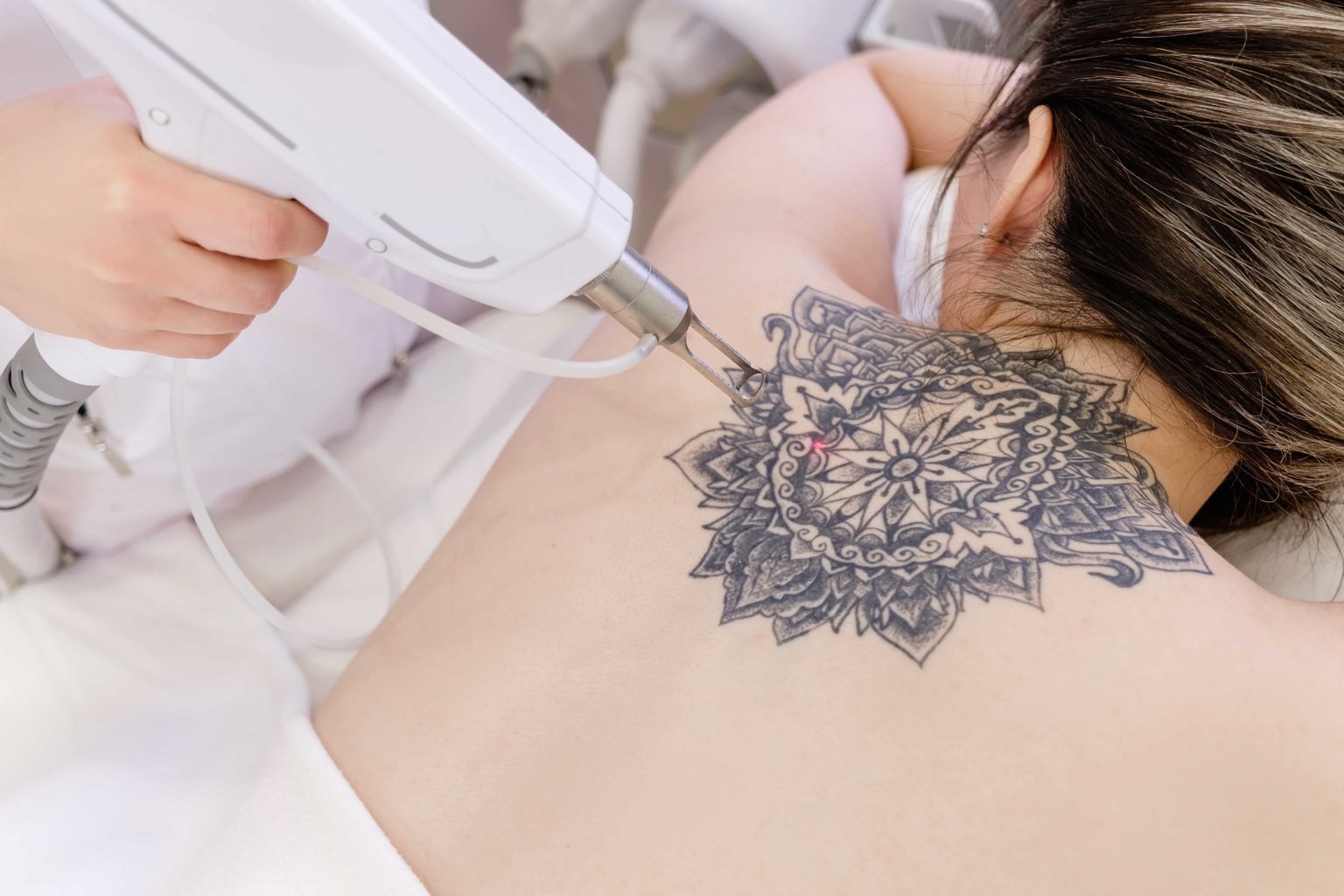
Laser technology plays a crucial role in tattoo removal by breaking down the tattoo ink into smaller particles. These particles are then eliminated by the body’s immune system. The process involves directing intense light beams at the tattoo, which selectively targets the pigment colors without damaging surrounding tissue.
It is vital to understand that different wavelengths of laser light are needed to remove various ink colors effectively. This specificity means that not all lasers can target every color equally well.
Types of Lasers
There are several types of lasers used for tattoo removal, each with its strengths and limitations. For instance, Q-switched lasers are highly effective for darker inks like black and blue. On the other hand, picosecond lasers work faster by delivering energy in shorter bursts, making them suitable for a wider range of colors and often resulting in fewer sessions.
Choosing the correct type of laser is essential for effective removal while minimizing skin damage. Incorrect laser usage can lead to unsatisfactory results or even permanent harm.
Professional Consultation
Consulting with a professional is critical before undergoing laser tattoo removal. They assess your skin type and the characteristics of your tattoo to devise a tailored treatment plan. This assessment helps determine which laser will be most effective for your specific situation, taking into account factors such as ink depth and color density.
Professionals also provide guidance on aftercare procedures to ensure optimal healing and minimize risks associated with laser treatments.
Sun Exposure After Tattoo Removal
Skin Protection
After understanding the basics of laser tattoo removal, it’s crucial to discuss skin care post-treatment. Direct sunlight on the treated area can lead to adverse effects.
It’s vital to shield the skin from sun exposure immediately after a session. The newly treated skin is more sensitive and vulnerable. Even brief periods under the sun can cause harm.
Discoloration Risk
Sunlight poses a significant risk of skin discoloration following tattoo removal. UV rays can interfere with the healing process.
They may lead to hyperpigmentation or hypopigmentation in the treated area. This means the skin might become darker or lighter than its natural shade. To avoid such outcomes, extra caution is necessary when going outdoors.
Scarring Concerns
Besides discoloration, there’s also a heightened risk of scarring due to sun exposure. The healing skin needs optimal conditions to recover smoothly.
Scars might form if the delicate balance is disrupted by UV radiation. Therefore, protecting your skin becomes not just advisable but essential for a successful recovery.
Avoidance Timeframe
Experts recommend avoiding direct sunlight on the treated area for at least four weeks post-treatment. This timeframe allows your skin to heal properly without interference from harmful UV rays.
Using broad-spectrum sunscreen with an SPF of 30 or higher can offer additional protection if outdoor activities are unavoidable. Reapplying sunscreen every two hours ensures continuous coverage and safety for your healing skin.
Risks of Sun on Treated Skin
Sunburn Risk
After tattoo removal, the skin becomes more susceptible to sunburn. This is due to the laser treatment that makes skin layers thinner and more vulnerable. Even mild sun exposure can lead to severe sunburns in these areas.
The risk of painful, reddened skin escalates significantly without proper sunscreen application. It’s crucial to apply a broad-spectrum sunscreen with a high SPF regularly.
Hyperpigmentation
Exposed, treated skin may develop hyperpigmentation when it encounters UV rays. This means certain patches become darker than the surrounding areas.
Hyperpigmentation occurs because UV light stimulates melanin production excessively in healing skin. To avoid uneven skin tones, wearing protective clothing and using sunscreen are essential steps.
Delayed Healing
UV rays can significantly slow down the healing process after tattoo removal. They penetrate deep into the skin layers, causing further damage to already sensitive areas.
This extended healing period not only prolongs discomfort but also increases the risk of infection. Keeping treated areas covered and avoiding direct sunlight help ensure smoother recovery.
Exacerbated Damage
Without adequate protection, laser-treated skin faces an increased risk of long-term damage under sun exposure. Besides immediate side effects like burns and pigmentation issues, there’s a heightened chance for skin cancer development over time.
It underscores why following post-treatment care instructions is vital for maintaining healthy skin post-tattoo removal.
Importance of Sun Safety
UV Protection
Protecting skin from ultraviolet radiation is crucial, especially during the tattoo removal process. Sun exposure can lead to sunburn and damage the delicate areas undergoing treatment. It’s important to minimize time spent in direct sunlight, especially during peak hours when UV rays are strongest.
Wearing protective clothing and hats provides a physical barrier against harmful rays. These measures help safeguard the skin, preserving its health and appearance.
Skin Care
Practicing sun safety has long-term benefits for overall skin wellness. It prevents signs of aging, such as wrinkles and loss of skin elasticity. Moreover, it reduces the risk of developing sun-related health issues.
Using sunscreen with high SPF is essential every day, even on cloudy days when UV rays can penetrate through clouds. Reapplying sunscreen regularly ensures continuous protection.
Guidelines for Sun Protection
SPF Levels
For those undergoing tattoo removal, choosing the right SPF is crucial. Dermatologists recommend using a sunscreen with at least SPF 30. This level ensures adequate protection against the sun’s harmful rays, which can exacerbate skin sensitivity post-treatment.
It’s essential to apply sunscreen generously on treated areas. Even on cloudy days, UV radiation can penetrate through and cause damage.
Reapplication Intervals
Sunscreen wears off faster than many realize. For continuous protection, reapply every two hours. If you’re swimming or sweating, shorten this interval to every hour.
This practice keeps your skin shielded throughout the day. Remember, consistent application is key to preventing sunburn and promoting healing after tattoo removal.
Sensitive Skin Tips
Selecting sunscreens for sensitive skin post-tattoo removal requires attention to detail. Look for products labeled “broad-spectrum.” These protect against both UVA and UVB rays.
Opt for mineral-based formulas containing zinc oxide or titanium dioxide. They are less likely to irritate sensitive skin recovering from laser treatments.
Wearing loose clothing over treated areas provides an additional layer of defense against the sun. It prevents direct exposure and helps keep the skin cool and protected.
Sunscreen and Skin Care Post-Removal
Dermatologist Sunscreens
After tattoo removal, skin needs extra protection. It’s vital to choose sunscreens that dermatologists approve for post-laser treatment care. These products are designed to shield the sensitive area from harmful UV rays without causing further irritation.
They often contain zinc oxide or titanium dioxide. These minerals act as a physical barrier on the skin, reflecting sunlight away. This helps maintain your natural skin tone and prevents pigmentation issues.
Healing Moisturizers
The right moisturizers can significantly enhance skin recovery. Look for options rich in hyaluronic acid and ceramides. These ingredients support the skin’s barrier, keeping it hydrated and less prone to cracking or peeling.
Avoid any products with harsh chemicals or fragrances that might irritate the freshly treated area. Instead, opt for gentle, soothing formulas that calm the skin and reduce redness.
Gentle Care Routine
Adopting a gentle skincare routine is crucial for optimal healing post-tattoo removal. Avoid abrasive scrubs or exfoliants that can damage delicate skin trying to heal.
Stick to mild cleansers and ensure you pat your skin dry instead of rubbing it harshly with a towel. Remember, your goal is to aid recovery while avoiding actions that could lead to irritation or disrupt the natural healing process.
Monitoring Skin Health Post-Treatment
Self-Examinations
Regular self-checks are crucial after tattoo removal. Patients should look for changes in skin color or texture. Any unusual signs might indicate improper healing.
It’s important to catch these early. They can signal that the body isn’t responding well to the treatment.
Follow-Up Appointments
Scheduling follow-up visits is a must. These allow the dermatologist to monitor progress and spot any issues.
They can adjust care plans based on how the patient’s skin and immune system are reacting. This tailored approach helps ensure safer recovery.
Signs of Complications
Be vigilant for infection signs. Redness, swelling, or pain beyond normal levels need immediate attention.
Such symptoms could point to complications requiring urgent care. Ignoring them might lead to serious health concerns.
Ensuring Successful Tattoo Removal Outcomes
Post-Treatment Care
Following post-treatment care instructions is crucial for optimal tattoo removal outcomes. It not only aids in achieving the best results but also minimizes potential side effects such as scarring. Patients should keep the treated area clean, avoid direct sun exposure, and resist the temptation to scratch or pick at the site. These steps help in reducing complications and ensure a smoother recovery process.
Adhering to these guidelines can significantly affect the success rate of tattoo removal treatments. Ignoring them might lead to longer healing times or even adverse reactions.
Patience Requirement
Patience plays a key role in the journey towards removing tattoos. Most individuals require multiple sessions for complete removal, depending on factors like ink depth and color. Setting realistic expectations from the start is essential.
Understanding that each session gradually fades the tattoo pigments helps manage anticipation and disappointment. The body needs time to eliminate ink particles after each treatment, making patience a virtue in this process.
Professional Selection
Choosing experienced professionals for tattoo removal is paramount. Expertise in handling different skin types and understanding how various tattoo inks respond to treatment ensures safe and effective outcomes.
Reputable clinics use advanced technology capable of targeting specific ink colors without harming surrounding tissue. This precision reduces risks associated with tattoo removal, such as scarring or unwanted changes to skin texture.
Closing Thoughts
Understanding laser tattoo removal is just the beginning. Your journey towards clear skin doesn’t stop at the clinic door. Protecting your skin from the sun plays a crucial role in not only ensuring the effectiveness of your treatment but also in maintaining your overall skin health. Risks like increased sensitivity and potential damage underscore the importance of sun safety post-removal. By following guidelines for sun protection, including the use of sunscreen and proper skin care, you’re not just aiding your recovery; you’re investing in the long-term beauty and health of your skin. Monitoring your skin’s health and adhering to expert advice guarantees you get the most out of your tattoo removal process.
Don’t let past decisions mark your future. Take control by giving your skin the care it deserves post-tattoo removal. Start today by scheduling a consultation with a professional, and step confidently into a clearer tomorrow.
Frequently Asked Questions
How does laser tattoo removal work?
Laser tattoo removal uses concentrated light to break down the ink in your skin, allowing your body to naturally dispose of it. This process is safe and effective when performed by qualified professionals.
Is sun exposure safe after getting a tattoo removed?
It’s crucial to limit sun exposure on the treated area post-removal. Sun can increase the risk of skin damage and affect the healing process negatively.
What risks does sun exposure pose on recently treated skin?
Sun exposure after tattoo removal can lead to increased risk of hyperpigmentation, blistering, and delayed healing. It’s important to protect your skin from UV rays.
Why is sun safety important after tattoo removal?
Sun safety helps prevent skin damage and ensures better healing outcomes post-tattoo removal. It minimizes complications like discoloration or scarring.
What are some guidelines for protecting my skin from the sun after tattoo removal?
Wear broad-spectrum sunscreen with at least SPF 30, cover up with clothing, and avoid peak sun hours (10 AM – 4 PM) to protect your treated skin.
Should I use special sunscreen or skincare products post-tattoo removal?
Yes, using a broad-spectrum sunscreen that’s gentle on sensitive skin along with recommended skincare products aids in healing and protects against UV damage.
How do I monitor my skin health after laser tattoo removal treatment?
Regularly inspect the treated area for any signs of abnormal reactions such as excessive redness or swelling. Contact your treatment provider if you notice any concerning changes.
