 Directions
 Call Us
 Email Us



Key Takeaways
- Skin laxity following weight loss depends on your age, genetics, rapidness of the weight loss, and lifestyle habits that can affect your self-image and comfort.
- Men may experience unique challenges in abdominal skin tightening due to differences in muscle mass, fat distribution and body contouring goals.
- Surgical options such as abdominoplasty and circumferential lifts provide permanent outcomes but involve medical clearance, weight stability, and reasonable expectations.
- Non-surgical treatments, such as energy-based devices and topical products, offer less invasive alternatives but typically produce more moderate outcomes compared to surgery.
- Skin elasticity is largely determined by healthy habits, such as exercise, a nutrient-rich diet, and staying adequately hydrated.
- Open dialogue with medical professionals and transparent personal objectives are key components to getting results you’re proud of and tackling both your physical and mental needs.
Men abdomen skin tightening after weight loss refers to tightening loose or saggy belly skin that can occur when losing a lot of weight. Many men experience these body transformations and skin may not snap back without assistance.
Easy things such as working out, eating right, or even a little skin care assistance can help. Options like medical treatments or surgery exist.
The body of the post below dissects causes, advice, and options for improved outcomes.
Understanding Loose Skin
Loose skin is a real issue for men post massive weight loss, particularly in the abdomen. Your body evolves, but your skin sometimes lags behind. A few factors influence how much loose skin you develop and how long it takes to tighten, which can play into both how you feel and look.
The Cause
The skin cannot keep up when weight drops quickly. Your skin stretches over the years as fat accumulates. If weight is lost rapidly, the skin doesn’t have a chance to shrink back. That’s why slow weight loss, around 0.5 to 1 kg per week, allows the skin to tighten over time.
When you lose 45 kg or more, that puts even more stress on the skin’s elasticity. Hormones are at play. As body fat falls, hormone levels change that impact the skin’s elasticity. Low estrogen or testosterone can slow collagen production and stiffen skin.
Lifestyle factors count as well. Smoking and excess sun can degrade skin fibers, accelerating the loosening. Sun damage robs the strength of collagen. Smokers tend to have more wrinkles and loose skin.
Maintaining a consistent, healthy weight allows the skin to adjust. Coming down and back up is worse than just coming down for skin tightening. Slow, steady changes have the best chance for tighter skin.
Skin Elasticity
Skin elasticity refers to how well your skin bounces back after being stretched. It is at the heart of post-weight loss body contouring. That’s where collagen and elastin come in.
Collagen provides support and elastin allows skin to stretch and bounce back. Both are required for tight, smooth skin. Hydration is critical. Skin cells are primarily water, so consuming enough aids.
Consuming vitamin C and E rich foods helps to build collagen. Protein supports repair and growth of skin fibers. Omega-3 fats may help skin stay flexible.
Age plays a role here. As we age, collagen and elastin take a nose dive. Skin thins and loses its snap. That’s why older men will experience more loose skin and slower tightening.
Male Anatomy
Men’s skin is thicker than women’s. It can both help and hurt. Thicker skin provides more scaffolding, but men lose fat deep beneath their skin, resulting in the surface layer being left unsupported.
Men typically have more muscle mass remaining, which can minimize sagginess in certain areas. Fat prefers to sit in the belly and chest, so these are the areas most likely to display loose skin after weight loss.
The shape of a man’s body is important to know when planning surgery or treatments. Surgeons consider muscle, fat, and skin to chart the optimal direction.
The typical trouble spots for men are the lower belly and chest, where the skin can remain loose even with time. Occasionally, noninvasive options such as radio frequency or laser treatment can assist, but if you have a significant amount of skin, you may require surgery.
Surgical Solutions
Surgical skin tightening is a standard route for weight-loss warriors who want that firm, natural look around the belly. From targeted treatments to full torso or beyond, the trick is locating a plastic surgeon experienced in body contouring for men. That’s where some professional advice can help to build a plan that matches your goals, body type, and health needs.
1. Full Abdominoplasty
A full abdominoplasty, commonly known as a full tummy tuck, is a surgical procedure that eliminates loose skin and fat from the lower and middle abdomen. It restores the abdominal wall muscles, as this can get stretched after weight loss. Usually, this option is selected by men with severe amounts of loose skin or musculature laxity following weight loss in excess of 30 kg.
The advantages are a flat, firm belly and a more athletic shape. Most require two to four weeks to recuperate sufficiently to return to work. While swelling and bruising subside over time, adhering to post-surgery care such as wearing a compression garment and refraining from heavy lifting is vital for optimal results.
2. Mini Abdominoplasty
Mini abdominoplasty, or mini tummy tuck, is for those with loose skin primarily below the belly button. It’s a less intensive surgery with a quicker recovery, sometimes as little as seven to ten days. This technique focuses on smaller trouble zones and has a shorter scar than a standard abdominoplasty.
The scar can usually be concealed by underwear or a bathing suit. Though it doesn’t target muscle separation as extensively, it benefits men who desire a more sculpted appearance and minimal downtime.
3. Extended Abdominoplasty
Extended abdominoplasty eliminates excess skin from the abdomen, hips, and lower back. This method is ideal for men who have loose skin that hangs around the waist, which is typical following large weight loss. Occasionally, liposuction is incorporated to even out any fat prior to pulling the skin taut.
Surgical plans should fit the individual; some require multiple surgeries, sometimes staged several months apart, to minimize trauma at once and achieve the optimal result.
4. Circumferential Lift
A circumferential lift, known as a 360° abdominoplasty, targets loose skin around the full circumference of your torso. It’s often required post-major weight loss when skin dangles in the front, flanks, and back. This surgery lifts and tightens the abdominal, waist, and buttocks areas.
Recovery can take a few weeks and you may need a compression garment. The outcome can be dramatic, restoring natural lines and a firmer shape. It’s an aggressive option for men seeking a complete transformation following significant weight loss.
5. Male-Specific Contouring
Male-specific contouring employs methods that preserve a man’s natural muscle lines and body shape. These techniques sculpt the chest, abdomen, and waist to appear more masculine and athletic. Fat can be transferred through lipofilling to provide volume where desired.
All plans need to be individualized, of course, since all men’s ambitions and physiques differ. Many of them gain the self-esteem and confidence that they were missing prior to surgery; they feel more comfortable in their own skin.
| Solution Type | Benefits | Drawbacks |
|---|---|---|
| Surgical | Lasting results, dramatic change, can target many areas | Downtime, scarring, higher cost |
| Non-Surgical | Less downtime, minimal scarring, fewer risks | Subtle results, may need repeat sessions |
Non-Surgical Alternatives
Non-surgical options for tightening loose abdominal skin after weight loss span a broad spectrum. These procedures are attractive to many because they avoid the risks, recovery time, and expenses associated with surgery. Results tend to be more modest, but the advantages of easier recovery and incremental improvement make these options appealing to men interested in enhanced skin tone and suppleness.
Energy-based devices like radiofrequency and ultrasound send heat deep into the skin layers. This heat stimulates your body to produce additional collagen, the crucial protein that keeps skin taut. Ultrasound devices can concentrate on deeper skin layers, whereas radiofrequency blankets wide areas. Most notice skin is smoother and tighter, but results do vary.
They require approximately 25 to 90 minutes per area, and multiple appointments, typically separated by four to six weeks, are frequently necessary. The non-invasive aspect leads to minimal to no downtime. Bruising or redness can occur but disappears after a few days.
Laser fat removal, FDA-approved for the abdomen and beyond, delivers roughly 20 to 25 percent fat loss per session. Others, like fat freezing, are ideal for the tummy, flanks, and arms, with treatments spanning 35 to 60 minutes in length. Non-surgical alternatives include radiofrequency fat reduction, which uses magnetic waves to heat and melt fat cells, or injection treatments like deoxycholic acid, which can target specific fat pockets.
Final results appear at three to six months and can endure for one to two years with maintenance. Check with a specialist to tailor the device and technique to your skin requirements and objectives.
A healthy lifestyle keeps skin elastic and can enhance results from treatments. Exercise, particularly strength training, tones your body and supports skin structure. Eating a healthy diet provides skin the vitamins and nutrients it craves. Staying well hydrated keeps skin looking more supple and less saggy.
Exercise regularly for increased blood flow and nutrients to the skin. Steering clear of extreme weight fluctuations allows the skin to accommodate itself more naturally to the new shape. Not smoking and limiting booze aid skin health.
- Eat fruits and vegetables high in antioxidants
- Drink at least two liters of water per day
- Use sunscreen to protect from UV damage
- Include protein in meals to support skin repair
Topicals such as creams and serums can help skin appear firmer. Non-surgical alternatives like retinoids or peptides help with collagen. The results aren’t dramatic and they take time, but with daily application, they can definitely enhance texture over a period of months.
These work best in conjunction with other choices like energy devices or a healthy lifestyle. Trust us, cheat days will only make you get results slower. Coupling topical creams with hydration and sunscreen can make skin come alive.
The Male Perspective
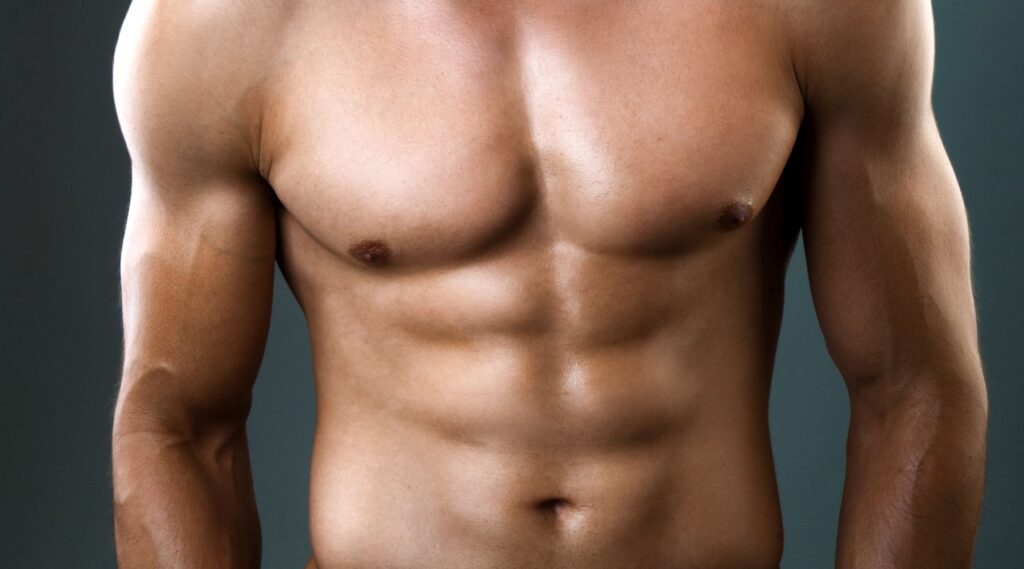
Men with significant weight loss desire a tight, flat stomach to complement their new physique. Their skin tightening objectives are molded by individual aspirations, societal fashions and functional necessities. Most desire a more athletic appearance, defined abs, a strong waist and a naturally looking chest.
A tummy tuck for men has been on the rise, with increasing numbers of men requesting it to achieve a trim waist and repair loose skin following a weight loss of 30 kg or more. The surgery can provide a six-pack appearance, further enhancing the results.
Aesthetic Goals
The majority of men opting for body contouring desire a toned, natural looking midsection. They’re frequently centered on a flat stomach, clear waistline and deep flanks accentuating muscle definition. For a lot of us, it’s important that we have a ripped looking body in our fitted clothes or swimwear.
A 360-degree abdominoplasty is typically required when you have excess skin and tissue all around the torso, not just in the front. Surgeons try to tailor outcomes to every man’s ideal. Things like scar placement count.
Incisions are hip to hip and low enough to conceal under boxer shorts or bathing suits. Open conversations with the surgeon regarding what looks natural, how much definition is desired, and comfort with scars coalesce the plan.
Guys should be specific with their goals. Bringing pictures or jotting down what results matter most can assist. This helps ensure that the end result fits individual ideals.
Psychological Impact
From the male perspective, men might see a significant increase in self-esteem following the removal of loose skin. Spying a defined shape in the mirror can bolster self-confidence and propel guys after shedding pounds. Confidence typically blooms when the outside aligns with the inside’s hard work.
It’s the mental side of healing that matters. Some men are nervous about surgery or about what other people might think. Speaking to a counselor or support group can assist. Mental health is just as crucial to healing as the body.
It’s smart to consider the emotional aspect of surgery. Thinking ahead to the peaks and valleys makes men feel more grounded and prepared for the swings.
Debunking Myths
They assume body contouring is only for women or that it’s not safe for men. These thoughts aren’t real. Male tummy tucks are safe when performed by experienced physicians who understand how to contour a man’s body.
The healing time is roughly two weeks off work and six to eight weeks before hard exercise. This time is long but necessary for optimal results. They’ll think scars will be too obvious or results won’t last.
In reality, the scars are low and fade over time, and results can be permanent if men maintain healthy habits. Usual swelling, redness, and mild pain occur in the first two weeks. The best look comes out after two months.
Fact awareness empowers men to make intelligent decisions. Believing real data, not ancient myths, yields better results and less stress.
Assessing Candidacy
Assessing who is a good candidate for abdomen skin tightening after weight loss involves understanding a mix of health, weight, and personal readiness. Different surgical options, like a male tummy tuck or liposuction, have specific requirements.
The table below outlines the main factors surgeons consider when assessing candidacy:
| Key Factor | Details |
|---|---|
| Age | Must be at least 18 years old |
| BMI | Ideal candidates have BMI under 30 |
| Weight Stability | Must maintain stable weight before surgery |
| Health Status | Free from chronic or uncontrolled health conditions |
| Fat Type | Subcutaneous fat is treatable; visceral fat is not |
| Muscle Tone | Weak abdominal muscles may benefit from surgery |
| Motivation & Expectations | Must have realistic goals and clear understanding of outcomes |
A thorough medical evaluation is essential to identify risks and make sure the procedure is safe. Stable weight and good general health increase chances for a smooth recovery and good results. Honest self-assessment helps align expectations with what surgery can truly offer.
Health Status
Good health is essential for safe surgery and easy recovery. Chronic conditions such as heart disease, uncontrolled diabetes, or bleeding disorders can delay the healing process, increase the likelihood of complications, or even exclude you as a surgical candidate.
A good surgeon will inquire about previous illnesses, medications, allergies, and lifestyle habits to understand the situation clearly. A comprehensive health evaluation can involve blood work, cardiac screenings and an examination of your medical history.
It’s not simply about ticking boxes; it’s about ensuring surgery is genuinely safe and appropriate for you. Use this checklist as you think things through:
- No history of uncontrolled chronic illness
- No ongoing infection or untreated health issue
- Not currently smoking or willing to stop before surgery
- Okayed by a physician if you take maintenance medication.
Weight Stability
Sustainable results require stable weight. If your weight fluctuates, results may not be permanent and healing can be inconsistent. Surgeons suggest reaching your goal weight and maintaining it for a minimum of six months pre-surgery.
Rapid weight fluctuations pre or post-surgery can stretch skin or compromise results. If you’re considering taking out more than 5,000 cc (5 liters) of fat, inquire about other options. Some procedures have safety thresholds.
Post-surgery, a rock-hard plan for maintaining weight loss is crucial. It keeps skin from sagging once more and it saves your health.
Realistic Expectations
You have to understand what surgery can—and can’t—do. If your belly sticks out despite diet and exercise, or if you have loose excess skin following weight loss, a tummy tuck can assist. Surgery can’t cure fat that’s visceral, only subcutaneous.
We each recover in our own way. Some men are back in a week, others require up to six before resuming activity. Being candid with your surgeon about what you want, what worries you, and what surgery can realistically accomplish can make all the difference in trust and satisfaction.
The Recovery Journey
The recovery after tummy tuck surgery is just as important as the surgery. For the majority of men, the recovery journey is one of rest, care and a slow re-introduction to normalcy. The path is individual, and there are shared milestones and care steps that contribute to the optimal result. Following through with aftercare and self-care can change your recovery experience in a positive way, both in the short and long run.
Initial Phase
Anticipate a few days post surgery of swelling, bruising, and slight pain, particularly around the incision. The discomfort is normal and usually worst within the first week. Redness and tightness of the skin are also typical, but these should start to subside after a few days. They often require assistance when they get home, particularly if home chores require squatting, lifting, or extended standing.
Rest is crucial. Surgeons typically recommend two weeks off work, up to six for labor-intensive jobs. Adhering to pain meds is key! Most aftercare advice emphasizes resting to minimize movement, keeping the torso elevated and wearing a compression garment to prevent swelling. These supports assist, improve circulation and accelerate healing.
Skipping these steps could mess things up or slow healing. Follow the surgical team’s personalized recovery instructions to minimize risk and discomfort.
Long-Term Care
The real question is that long-term results require running continuous care. Following up on all follow-up appointments allows the surgeon to monitor your progress and intervene if there are any problems. These appointments are an opportunity to inquire about recovery, scarring, or any symptom alterations.
Careful attention to keeping the skin clean, dry, and sun protected in the months following surgery is essential. Assuming a healthy diet and exercise regimen may preserve results. Weight fluctuations can stretch the skin once more, so maintaining a stable weight is critical.
Ban smoking, which can delay healing and impact blood flow to the skin. Some men may require minor revisions or additional procedures to achieve their preferred appearance, such as if sagging skin or asymmetrical recovery occurred. That is something you get into when you are in follow-up visits and these options are presented.
Most find a few weeks recovery time is a fair price to pay for the lifelong freedom and confidence acquired.
Final Results
Tummy tuck or body contouring results reveal themselves at 6 to 8 weeks. Swelling will continue to subside for months, and final results are often seen around 6 months. Scars are just part of it and they will become less visible with time, but they never go away entirely.
It is important to remain grounded about what surgery can accomplish. Guys feel good about acknowledging milestones and celebrating the transformation. Embracing the outcome helps support healthy habits moving forward.
Conclusion
Loose skin post weight loss is a test of anyone’s patience. Men have a lot of options to firm up their abdomen. Surgery provides robust, immediate results for patients seeking a definitive solution. Non-surgical options provide a gentler, more gradual route and tend to integrate more seamlessly with everyday life. Each route has its pros and cons, so consider what you’re seeking. A lot of men find consulting with a doctor guides them to the right route. Taking the time to consider everything makes all the difference. For additional details or a private consultation, consult a skin care professional. Begin today to love your skin again.
Frequently Asked Questions
What causes loose abdominal skin in men after weight loss?
The loose skin is caused by the skin failing to shrink back because of lost elasticity. This is the case in men who have shed significant weight either quickly or over the years.
Are there effective non-surgical treatments for tightening loose skin on the abdomen?
Yes, non-surgical options such as radiofrequency, ultrasound, and laser therapies can assist. These treatments encourage collagen production and skin tightening with little downtime.
When is surgery recommended for men with loose abdominal skin?
Surgery is generally opted for if non-surgical methods fail to provide the needed outcome. It is ideal for men with large amounts of hanging skin and good general health.
How long is the recovery time for abdominal skin tightening surgery?
Recovery typically is 2 to 6 weeks, depending on the procedure. Most men resume normal activity a few weeks after surgery, but complete healing takes longer.
Can exercise tighten loose abdominal skin after weight loss?
Working out may firm up your belly and add muscle, but it will never do away with slack skin. It can make the skin look tighter by building some muscle underneath.
Who is a good candidate for abdominal skin tightening procedures?
Good candidates are men in good health, at a stable weight and with reasonable expectations. Nonsmokers and those without underlying health issues tend to do better.
Are there risks involved with surgical or non-surgical skin tightening?
Every operation has certain hazards like infection, scarring, or a poor result. A consultation with a qualified medical professional helps minimize risks and select the optimal option.
