 Directions
 Call Us
 Email Us


Key Takeaways
- Know your body proportions to help balance visual weight and bring your personal style to life with confidence.
- When used strategically, fabrics, cuts, lines, and layering can trick the eye into creating balanced proportions and highlighting preferred features.
- Foundation garments and posture are the body sculptors of balanced proportions in clothes.
- With wardrobe physics, we carefully select hemlines, hues, and patterns that help visually reshape your figure.
- We’ll work on body sculpting for balanced proportions in clothing.
- Centering on classic styling methods and your own personal style promotes sustainable fashion habits and honors individuality.
Body sculpting for balanced proportions in clothing means shaping your body to help clothes fit better and look good. Pursue both workouts and treatments to assist with this. Balanced shape can increase how clothes hang on the body and simplify outfit selection.
Body sculpting for balanced proportions in clothing encompasses various methods. All of them focus on muscle tone, while others emphasize non-surgical options. Each has its own purpose.
The sections below describe the key options and what to anticipate.
Understanding Proportions
Proportion is the connection between the individual parts of the body and how clothes mold them. In style, this translates to how much room items occupy, both on and with ensembles. It’s not just about numbers. It’s not about pieces, it’s about how items look together. Crafting a balanced look means ensuring nothing grabs attention in an off sense. Nice proportion accentuates the fine in any figure, regardless of form or dimension.
Body shapes are a big factor in clothing fit and appearance. There are many types: rectangle, triangle, inverted triangle, hourglass, and oval. Every shape comes with its own lines and curves. For instance, rectangles have shoulders, waist, and hips that are pretty much the same width. Clothes that add curve or disrupt linearity can assist.
The hourglass shape already has a defined waist, so tailored clothes assist in highlighting it. Triangles may wish to use volume on top to balance out wider hips. Inverted triangles can balance wide shoulders with wider skirts or pants. Ovals could employ long lines or layers to guide the gaze vertically. Knowing your shape helps select the appropriate garments for the style you desire.
Visual weight is the perceived heaviness or lightness of a thing, not its actual weight. Heavy drapes, large patterns, or vibrant hues can enlarge one side. Skinny fabrics, black colors and clean lines shrink space. Balancing your visual weight in tops and bottoms can keep things equitable.
Every once in a while, a little contrast, a slim top with wide-leg pants for example, can emphasize a favorite area or wherever you want the eye to go. There are two main sets of proportions: horizontal and vertical. Horizontal relates to width, such as shoulders versus hips. Vertical is about measurements, like where a waist sits or how long a skirt is.
Outfits tend to wear best when divided into one-third and two-thirds rather than one-half and one-half. A typical error is to slice the torso squarely in two, à la tucked-in blouse and mid-rise jeans. This can make the frame feel shorter. Pant rise and top length affect how balanced an outfit feels. Volume is important as well. Big tops with slim bottoms or the opposite can add or subtract bulk in the right places.
- Tips for enhancing style and confidence through better proportion:
- Use one third/two thirds splits to build balanced looks.
- Choose clothing that fits your body’s lines, not masks them.
- Combine lengths and volumes to highlight your features.
- Avoid cuts and seams that bisect the body.
- Experiment with trends but see if the height or length complements your form.
- Use color and prints to direct the eye where you want.
- Figure out your outfits by considering width and height simultaneously.
The Clothing Illusion
Clothing styles determine how proportions appear, no matter what your body type is. That’s the clothing illusion, where lines, colors, and shapes suggest balance. Proportion is the sense of how one part of the body relates to another. It’s not about squeezing yourself into apple or pear labels, but about appreciating the whole.
The golden ratio, which involves breaking things into thirds, frequently makes an outfit appear ‘just right’. When you wear more volume in one place and less in another, it brings balance. The cut, fabric, and even touches like seams or stripes direct the gaze and create a harmonious appearance.
1. Fabric & Cut
The material you select alters the way garments drape and kiss your frame. Structured fabrics such as cotton twill or denim hold their shape and can add definition to softer body lines, whereas lightweight fabrics such as chiffon and rayon flow and soften sharp angles.
A boxy cut in a stiff fabric brings instant structure, while that same cut in silk drapes and relaxes the shape. Cuts matter as well. A high waist lengthens legs and a dropped waist lengthens the torso. Experiment with different fabrics and cuts to determine what shapes jive best with your vibe.
2. Strategic Lines
Vertical lines draw the eye up and down, causing you to appear taller or thinner. Horizontal lines, such as wide belts or dropped hems, serve to widen a spot and shorten the body appearance. Necklines count; a v-neck helps elongate the neck and upper body, while a boat neck makes shoulders look broader.
Seams and darts and even how buttons are set can shift where the eye catches. Stripes aren’t just for fun, they’re tools: thin vertical stripes slim, bold horizontal stripes widen. Choosing the right prints and stripes can work the illusion of symmetry without the need for dramatic alterations.
3. Volume & Layering
Adding volume is all about where you are trying to attract the eye. A flared skirt with a tight top accentuates the waist. A baggy top with skinny jeans has the reverse effect. Layering with intention—think a long vest over a body-con dress—makes things more visually compelling.
Stick volume to either the top or bottom half, not both. Experiment with gentle layers of light fabrics for a delicate veil or dramatic, architectural layers for a defined silhouette. Don’t be scared to experiment to discover what works with your particular frame.
4. Foundation & Support
The right undergarments sculpt the entire silhouette of any ensemble. Nicely fitting lingerie flattens lumps, boosts confidence and makes dresses hang just right. For each shape, core items may be seamless briefs, supportive bras, or control shorts.
The investment in quality basics rewards you with comfort and style. Foundational pieces shouldn’t squeeze or bind. They should complement your inherent lines and carry you through your day.
5. Posture’s Power
The magic of posture is that it transforms the way clothes appear and how they fit. Good posture, standing erect, shoulders back and head up, not only elongates your silhouette but projects confidence. Try doing it against a wall or with a phone reminder.
Check in with yourself during the day. The Clothing Illusion Clothes hang better when you stand tall, and balance is easier to spot in the mirror. Frequent posture checks aid any outfit.
- Use accessories to guide the eye:
- Place a belt at the waist for shape.
- Try a scarf to draw attention to the upper body.
- Use a long necklace for vertical lines.
- Select simple shoes to avoid cutting off the leg line.
- Adjust bag size to balance your frame.
Enhancing Your Form
Well-balanced proportions can enhance the appearance of any outfit and ensure your body looks its best. Proportion in dressing is about how the clothes fit against the body’s shape and how different parts of the outfit complement each other. The proper balance can elongate a frame, emphasize the waist, and even highlight top-to-bottom shape.
The rule of thirds is a basic but powerful technique. Outfits usually look better when segmented into a third and two-thirds, not one half. Take the classic example of a shorter shirt with high waist pants, which follows this maxim and makes the legs look longer, versus shirts and pants that split the body exactly in half, which can make you look shorter and boxy.
Dressing for your shape requires both an awareness of your own lines and the employment of a few key tricks. Here are some tips for dressing to flatter different shapes:
- Wear a belt or tuck in shirts to expose the waist for more of an hourglass style.
- Opt for high-waisted pants or skirts to elongate your bottom half.
- Overlayering bulky pieces will drown a tiny frame.
- Go for cropped jackets with long bottoms to adhere to the one-third rule.
- Utilize lighter colors or prints to bring attention to your showstoppers.
- Choose shoes that match your skin tone to extend the leg line and avoid ankle straps if you want your legs to appear longer.
- Tailor pant rise to suit your frame. Mid or high rise tends to work best for most shapes and keeps balance in the outfit.
- Volume with volume is tricky. Wide-leg pants or puff sleeves look best when balanced with sleeker pieces elsewhere.
To emphasize the natural waistline, tuck blouses into trousers or skirts. Belts are an easy solution as they highlight the waist and segment the body in a way that creates balance. If you’re trying to show off an hourglass shape, body-skimming fabrics and wrap styles will do the trick.
For inverted triangle shapes, adding volume at the hips with A-line skirts or wide-leg pants will help even out the upper body. Tailored pieces are essential in creating a clean, proportional appearance. Waist-fitting jackets, trousers with a decent rise, and clean-lined shirts all help make the frame look more polished.
Mini style tweaks, such as substituting a straight hem for a cropped cut or opting for a skirt with a small flare, can transform the effect in a subtle yet powerful manner.
Common Proportion Pitfalls
To get body sculpting right for balanced proportions in clothing, you first have to know what generally goes wrong. There are common proportion pitfalls that a lot of people fall into when selecting outfits, which can unbalance their appearance.
The most common error is overdosing on volume, such as pairing a baggy top with loose jeans. This pairing can camouflage the figure and cause the entire frame to appear bulky and shapeless. It’s tempting to believe that baggy clothes will hide your trouble spots, but an excess of fabric all over simply drowns out most figures.
Another big problem is allowing a single element of a look to dominate. If the top half is bold—perhaps a bright color or heavy fabric—the bottom half requires something to ground it or the outfit feels top-heavy. The reverse is true as well. When folks forget to weight the top and bottom, the eye doesn’t know where to land and the body’s inherent lines become lost.
For example, a fitted shirt and very full skirt can look off if there’s no middle ground. While extreme contrasts can work, more often, a moderate approach results in a cleaner, more natural look.
It’s an error to divide the body in half with clothing. I find that outfits always look better when the eye breaks the body into thirds. For example, a longer jacket over short pants is better than a shirt and pants that literally bisect your body. This disrupts the lines, makes the body appear taller, and helps the clothes seem more deliberate.
Understanding how length, volume, and structure interplay is crucial to nailing these visual pauses. Big and stiff fabrics pull the eye, light and soft ones recede. If you have wide pants in a heavy fabric, a simple, fitted top will keep things in check.
The inverse is true. If you’re wearing a whimsical, floaty top, pick something with a sharper contour on the bottom. These small decisions cause ensembles to feel collectively styled without trying too hard.
- Check for too much volume—mix loose with fitted pieces.
- Balance bold or structured items with softer, simple styles.
- Apply the one-third/two-third rule to tops and bottoms.
- Anchor oversized or standout pieces with something classic.
- Twist just one aspect of the outfit for understated yet powerful shifts.
The Posture Principle
Posture is everything with regard to how clothes fit and appear. It sculpts more than just the body; it sculpts how the lines of an outfit fall. When you stand tall with your shoulders back, your body appears taller and more aligned. Styles hang better, shirts sit right, and trousers fall in a clean line. Posture does the shape of your clothes a world of good, allowing every item to work its magic and express its style.
The concept of balance is significant. The Posture Principle connects body alignment to outfit coordination for an enhanced appearance. By focusing on posture, you can use the rule of thirds, a classic style tip that splits the body into three parts, not halves. This assists in laying out looks that look right to the eye.
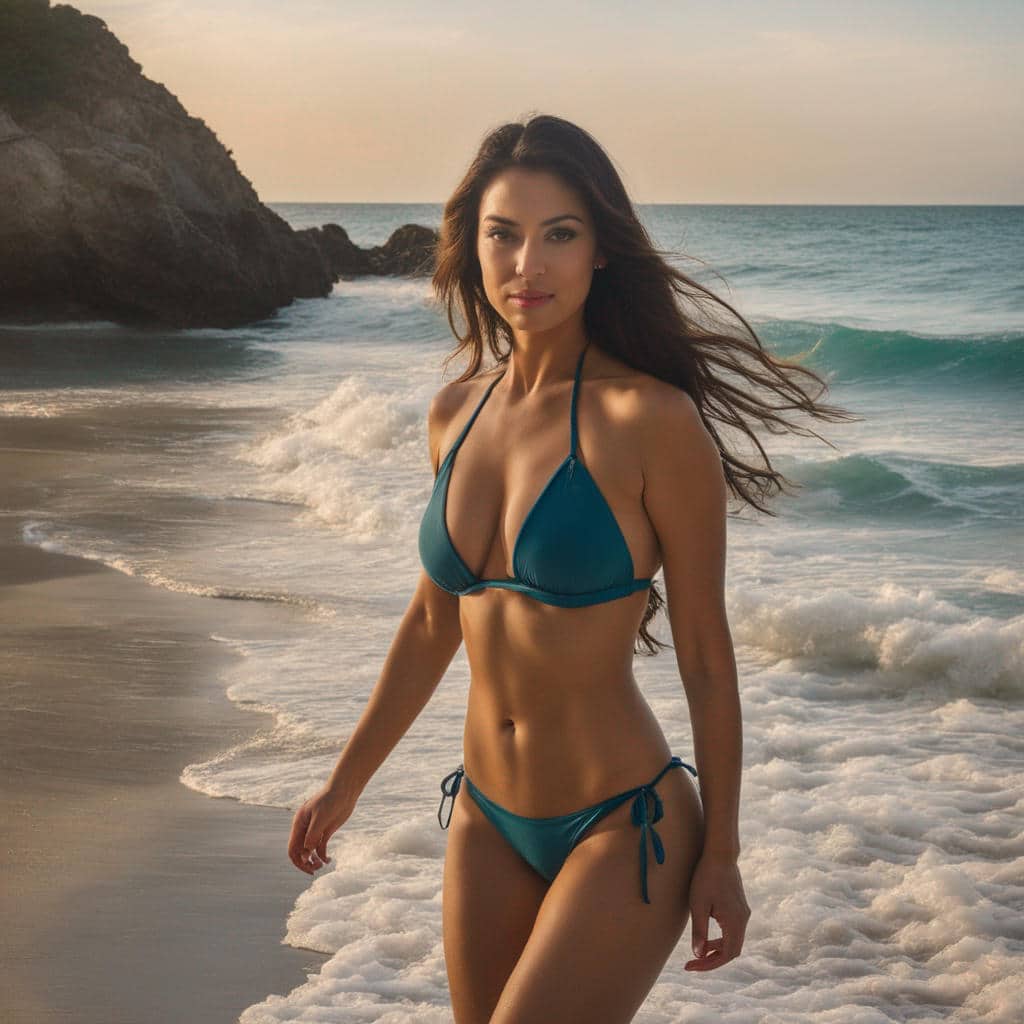
For instance, a top that ends at the waist, which is one-third, with pants or skirts taking up the rest, which is two-thirds, offers a clean, satisfying division. The golden ratio, another handy rule, operates similarly. It informs decisions about where to end a jacket, tuck in a shirt, or select skirt length. These guidelines are employed by stylists to arrange ensembles that appear effortless and proportionate, regardless of body type.
Fit counts equally. A well-fitting outfit can enhance both posture and proportion. When clothing is too large or small, it conceals your inherent lines or bunches in a manner that disrupts the flow. Well-fitted pieces, such as a blazer that reaches your shoulders or pants at the waist, maintain straight lines.
By combining a cropped knit with high-waist pants, you’ll add length and balance out wide hips or a short waist. Choosing a single point to pop, such as bright shoes or a statement top, then toning everything else down with softer shades helps direct the gaze and establish the equilibrium.
Body awareness is helpful. Easy tweaks—standing with balanced weight, chin up, taking a moment to posture check before leaving—matter. Exercises that assist, such as planks, light back stretches, and chest openers, work across all fitness levels.
These keep the core strong, the back straight, and the shoulders open. These little strides, like walking tall or sitting squarely with both feet on the floor, accumulate.
Beyond The Trend
About more than just following the trend, it’s about body sculpting for balanced proportions. Timeless styling is about knowing how clothes can work with your body, not what’s in the latest magazine. Wearing a top and bottom that divide your body down the middle is hardly ever flattering.
Instead, utilizing a one-third to two-thirds ratio, such as a short jacket with longer pants or a long top with a shorter skirt, generates a sleeker, more proportional appearance. These little things count for more than sweating every new trend and can transform the feel of any outfit on the body.
Understanding how body proportions function can help design a wardrobe that rounds out not one season, but many. For example, ankle strap shoes could be super cute, but they cut off the leg and make them look stumpy. The ascendance of pants, where they rest on your waist, influences how your body is divided up.
A low rise or a high rise can make all the difference in the world, particularly if you’re experimenting with new trends. It’s these little things that are the secret to making a look last beyond the one season wearability factor and look flattering.
Your own style flourishes when you heed these principles. Two women who wear the same dress size can look nothing alike based on where a waistline hits or how long a jacket falls. Drowning and not defining the shape by overlayering bulky clothes on a smaller frame is unflattering.
Visual weight, or where the eye is drawn in an outfit, must be balanced. If all the weight sits in one area, like heavy boots with a slim dress, the look can feel unbalanced. Adding an extra element, such as a cropped jacket, can help even things out.
Knowing how to embrace your own shape and style is what brings out the best in any wardrobe. Most people have the same struggle: finding a balanced look that feels right. Little adjustments, like jacket length or pant hem, pack a big punch.
Centering on scale, not trends, helps you discover what suits you. That is, your clothes fit your life, not just the moment.
Conclusion
Body sculpting adds shape to your frame, so clothes lay better and just feel right. Easy shifts of tone or posture can demonstrate huge differences. Shirts drape smoother, jeans sit better, and jackets match your frame. Each stage makes clothes for your body, not just against it. Little tucks make a big difference, whether you lean in or flaunt a waist in your go-to tee. They see the difference in the mirror and in photos. To keep your style in sync with your body, experiment with tips that suit your life and needs. Post your own victories or trade tips with buddies. Think body sculpting for balanced clothing proportions.
Frequently Asked Questions
What is body sculpting for balanced proportions in clothing?
Body sculpting for balanced proportions to get clothes to fit and look better. Think of it as body sculpting for more balanced proportions in your clothing.
How does posture affect body proportions in clothing?
Posture is like body sculpting for balanced, proportionate clothes. Tall can help you shape your way to balanced proportions in your clothing!
Can clothing create the illusion of balanced proportions?
No, the right clothing can achieve visual balance. With smart use of color, lines, and fit here or there, you can accentuate or de-emphasize certain regions to get a more proportioned look.
What are common mistakes when aiming for balanced proportions?
One of the most common mistakes is wearing clothes that are too tight or too loose. Selecting styles that don’t flatter your figure can throw off balance in how your clothes fall.
Is body sculpting only about exercise?
No, body sculpting is good eating, standing up straight, and wearing a nice shirt. Exercise is important, but body sculpting is really about overall lifestyle and dressing in balanced proportions.
Why is understanding proportions important for fashion?
When you know your proportions, you can find clothing that flatters your body. It makes for smarter wardrobe decisions, so you always look your best no matter the latest fad.
Are balanced proportions in clothing a passing trend?
Balanced proportions are classic. Dressing for your proportions is a timeless way to look your best and feel your best.
